
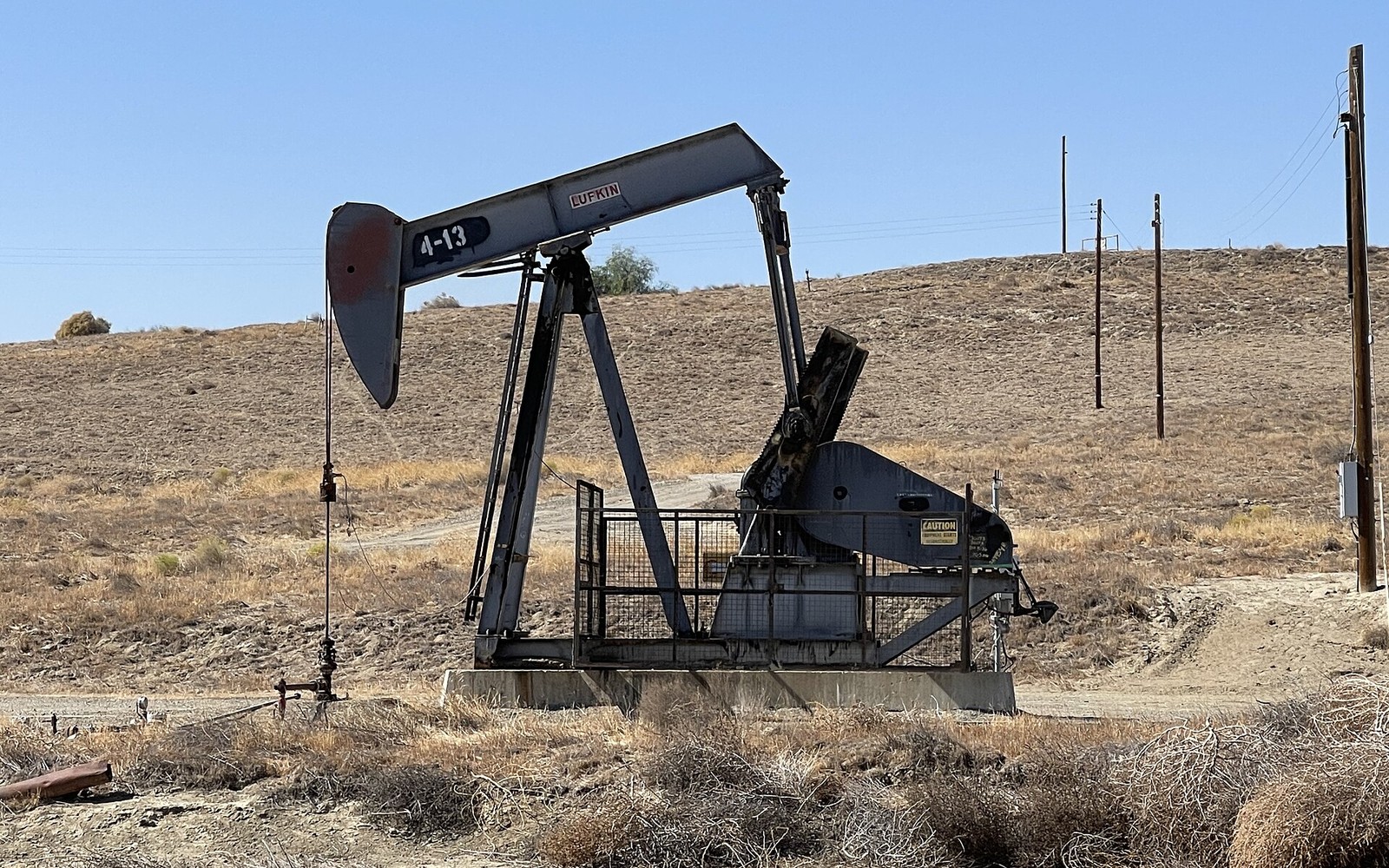
Permian owner file
Delaware Basin Mineral Rights
The Delaware Basin runs deep, over-pressured, and stacked with pay zones, which makes the royalty checks that come off it read differently than checks from anywhere else in the Permian.
We spent years on the operating side before we started buying royalty and mineral interests, and the Delaware side of the play still surprises people who only look at the map and not the wellbore. Reeves, Loving, Ward, Culberson and Winkler counties sit over some of the thickest, most pressured rock in the Lower 48, with Wolfcamp, Bone Spring and Delaware sand intervals stacked on top of each other. That geology is exactly why the checks land the way they do.
If you're holding minerals or a royalty interest anywhere in this basin, the first thing we ask isn't your acreage count, it's what the last twelve months of statements looked like. Depth and pressure change the shape of the decline curve, which changes what a buyer can responsibly offer, and it's worth understanding before you take a call from anybody in this business, including us.
Depth and pressure drive the curve
Delaware wells are typically drilled deeper than their Midland Basin counterparts, often past 9,000 to 11,000 feet on the western side of Reeves and Loving counties, into rock that's naturally over-pressured. That pressure means strong initial rates, sometimes eye-popping first and second month volumes on a new well report, followed by a steeper early decline than a shallower, lower-pressure zone would show.
What that means for an owner is a royalty check that can start high and drop fast in year one before settling into a longer, flatter tail. If you're only looking at the first two or three statements after a well comes online, you're looking at the steepest part of the curve, not the long-run average, and that skews expectations in both directions depending on which side of the peak you're standing on.
Stacked pay changes who's drilling near you
Because the Delaware has multiple productive intervals in the same column, operators often come back through the same section more than once over a decade, targeting a different bench each time. That's different from a play where one well drains the section and the operator moves on. It means a tract that looks quiet on paper can still see a permit filed against it years after the first well went on production.
For a mineral owner that cuts both ways. It's part of why non-producing acreage in this basin still draws interest from buyers and lessees, but it also means the value of an interest isn't fixed the day the first well is drilled. County records at the Reeves County or Loving County clerk's office will show follow-on permits and refracs that a quick online search often misses.
What we look at before making an offer
When we're evaluating a Delaware Basin interest we want the last 12 to 24 months of check stubs, the operator name and well name off the statement, and whether the tract sits in a core position in Reeves or Loving, or on the flank toward Ward, Winkler or Culberson where completions are more variable. Core-position acreage with a consistent, multi-well decline history reads very differently than a single-well flank tract that's already deep into its tail.
We're not going to quote you a number here, because it genuinely depends on current activity, current pricing, and what that specific well or unit is doing right now, but we will tell you honestly whether your position looks like it's still climbing, holding, or winding down before we talk numbers.
Why did your Delaware Basin royalty check drop so fast after the first year?
Over-pressured, deep intervals like the ones common in Reeves and Loving counties tend to produce a sharp initial decline after a strong start. That's normal reservoir behavior, not a sign the well is failing outright, but it does mean early statements overstate the long-run average.
Does a second well drilled on your tract years later change your interest's value?
It can. Stacked pay means operators sometimes come back to drill a different bench on the same section years after the first well. A follow-on permit or refrac is worth checking for at the county clerk before you accept any offer based only on current production.
Is Loving County minerals worth more than Ward County minerals?
Not automatically. Core position, well density, and operator activity matter more than the county line itself. Some Ward County tracts sit closer to core development than flank acreage in a nominally more active county.
What documents should you have ready before getting an offer on Delaware Basin minerals?
Recent check stubs or division order statements, your deed or probate documents showing how you acquired the interest, and if you have it, the original lease. That's usually enough for a serious first read.
Do you buy non-producing Delaware Basin minerals in addition to royalty?
Yes, though non-producing tracts are priced against activity and lease potential rather than an existing check, and we'll say plainly when a tract is too quiet to offer meaningfully on today.