
Permian owner file
Sell Mineral Rights in Artesia, NM
Artesia has always been an oil town first, dating back to strikes decades before the current shale boom, and it still functions that way today.
Artesia sits inside the corridor between here and Carlsbad that's carried some of the densest horizontal Bone Spring and Wolfcamp development in the entire Delaware Basin over the past several years. If you own minerals or royalty on acreage in or around Artesia, you're in one of the more actively drilled pockets of New Mexico, and that history is worth understanding before you consider an offer.
A refining town sitting on active acreage
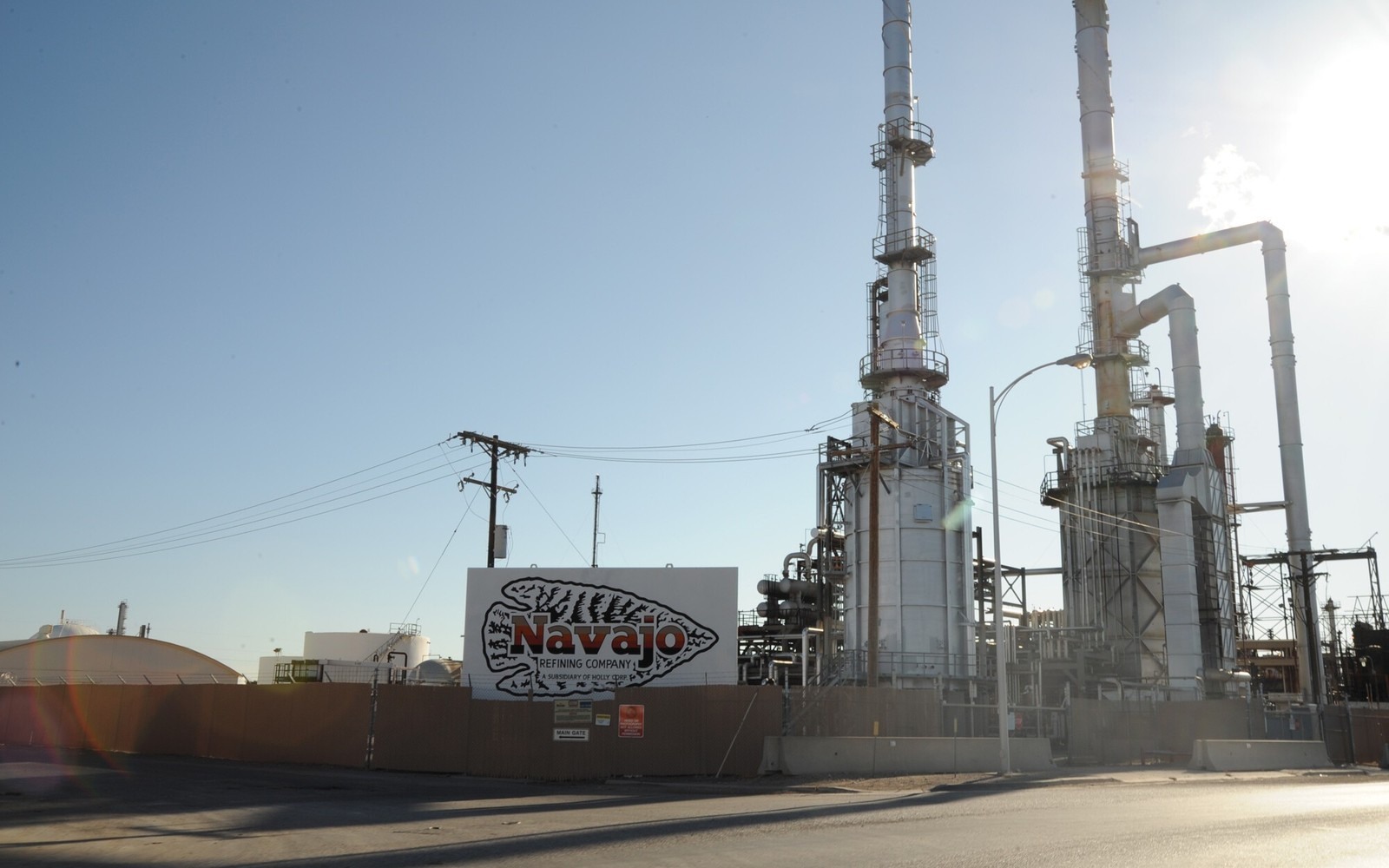
Artesia is known for its refinery as much as for drilling, but the acreage surrounding town has seen consistent horizontal development from major operators working the Carlsbad-Artesia corridor. That ongoing activity supports both current production value and, for undeveloped tracts, real near-term drilling potential.
New Mexico specifics that affect your offer
Some acreage around Artesia sits under state trust or federal BLM land rather than purely private surface, which affects permitting pace and sometimes royalty terms. We ask about surface ownership early so your valuation reflects the actual situation rather than a generic assumption.
Getting a real number
A division order or recent check stub is the fastest path to an honest range, since it tells us the operator and your decimal interest directly. For undeveloped acreage, we lean on nearby permitting trends given how active this corridor has been.
What closing looks like from Artesia
Most of our Artesia sellers aren't local to New Mexico at all, and the process doesn't require you to be. We send a purchase and sale agreement, confirm your title against county and state records, and close by mail or courier, usually within three to six weeks of a signed agreement assuming there's no probate to untangle.
Begin with the county record trail
A royalty review in each state starts with the recording office, legal description, deed chain, reservations, lease, units, division orders, payor records, statements, and regulatory well data.
Route local legal and tax questions correctly
Probate, marital property, dormant-mineral law, pooling, recording, transfer tax, regulatory filings, and payor-notice rules can differ from state to state. Those questions belong with qualified advisers.
Read the local tract against the Permian schedule
In every state, the royalty run sheet keeps the tract separate from broad county averages. The review pairs the legal description with producing wells, product lines, paid decimals, deductions, check history, decline, nearby permits, offset completions, operator changes, title exceptions, retained depths, and the exact property schedule in the written offer. Observed payments and recorded interests stay distinct from possible future locations, marketing claims, and assumptions that still need dated support.
Is Artesia still seeing new drilling activity?
Yes, the corridor between Artesia and Carlsbad remains one of the more actively developed parts of the Delaware Basin, with multiple operators running ongoing pad programs.
Does state or federal land ownership near Artesia change your offer?
It can affect permitting timing and occasionally royalty terms, so we factor it in once we know how your specific tract is situated.
You live out of state, can you still sell your Artesia interest?
Yes, most of our New Mexico sellers aren't local. Closing happens by mail or courier and we handle the New Mexico-specific title requirements.