Permian owner file
Sell Mineral Rights in Goldsmith, TX
Goldsmith has a name that sounds almost too perfect for an oil town, and the field underneath it has been producing since long before horizontal drilling existed.
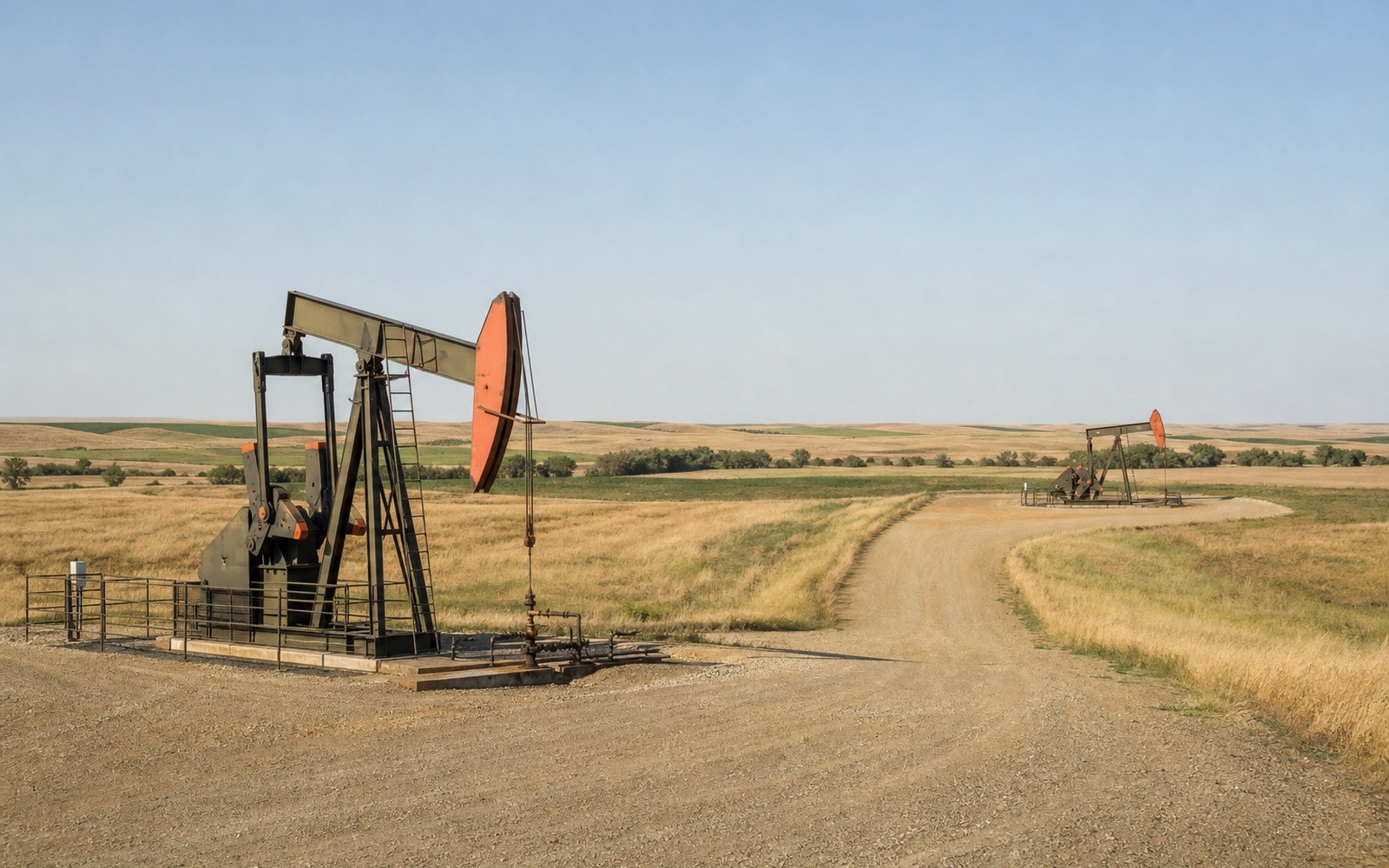
The Goldsmith field is one of the older producing areas in Ector County, with vertical wells that have been running for decades now sitting alongside newer horizontal Wolfcamp development on nearby acreage. If your family's minerals are tied to this area, there's a real chance your royalty check reflects some of that long production history.
An old field with new activity nearby
Legacy vertical production around Goldsmith continues at modest but steady rates in many units, while newer horizontal wells on adjacent acreage have added another layer of production in recent years. We look at each contributing well rather than assuming a single decline pattern.
What we need to give you a real number
A division order or recent check stub is the fastest path to an honest range. Old or modest-looking legacy production is still worth evaluating properly rather than dismissing.
Inherited fractions in an old field
Because Goldsmith field production dates back so far, it's common for ownership to be split among many heirs across multiple generations, some of whom may not even realize what they own. We buy individual fractional shares directly, no matter how small.
How the process runs
Once we have your paperwork, we build a range within a couple of days and explain the well history behind it. There's no cost or obligation to finding out what your interest is worth.
Why the old field still matters
A field that's been producing this long tends to have well-documented history, which actually makes valuation more precise, not less. We'd rather work from decades of real data than guess at a newer, thinly documented unit.
Begin with the county record trail
A royalty review in each state starts with the recording office, legal description, deed chain, reservations, lease, units, division orders, payor records, statements, and regulatory well data.
Route local legal and tax questions correctly
Probate, marital property, dormant-mineral law, pooling, recording, transfer tax, regulatory filings, and payor-notice rules can differ from state to state. Those questions belong with qualified advisers.
Read the local tract against the Permian schedule
In every state, the royalty run sheet keeps the tract separate from broad county averages. The review pairs the legal description with producing wells, product lines, paid decimals, deductions, check history, decline, nearby permits, offset completions, operator changes, title exceptions, retained depths, and the exact property schedule in the written offer. Observed payments and recorded interests stay distinct from possible future locations, marketing claims, and assumptions that still need dated support.
Is your Goldsmith-area interest from an old well still worth anything?
Usually yes. Legacy production in this field still generates real royalty income, and we value it against actual data rather than writing it off because the well is old.
Is there new drilling happening near Goldsmith too?
Yes, horizontal Wolfcamp development has continued on acreage near the older field, which can add value to nearby undeveloped or lightly developed interests.
How do you know what your decimal interest actually is?
Your division order will show it directly. If you don't have one, send us what you have and we'll help track it down through the operator or state records.