
Permian owner file
Sell Mineral Rights in Kermit, TX
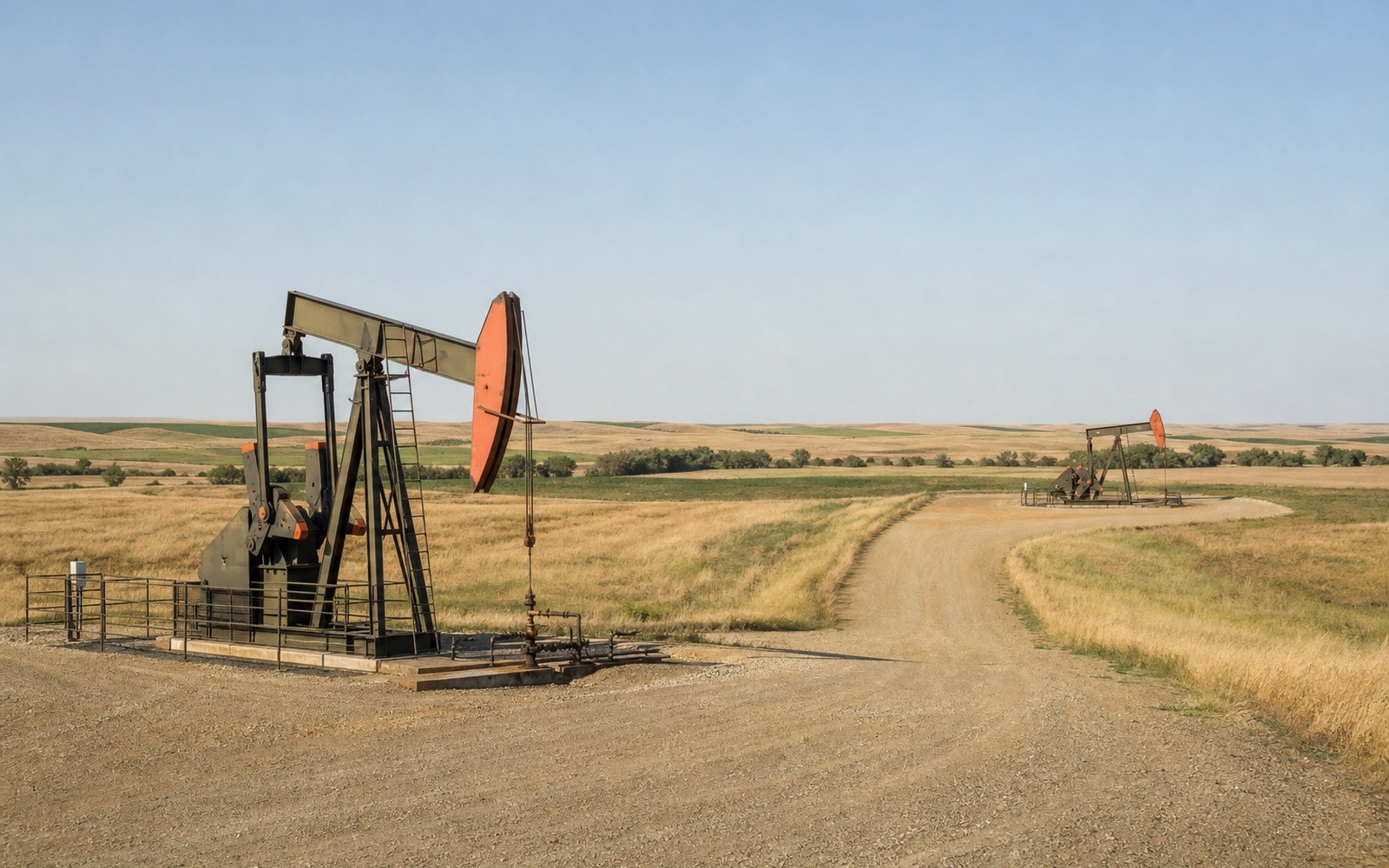
Kermit has been a Winkler County oil town for the better part of a century, and the ground underneath carries layers of production history to match.
This part of the basin was developed early, Winkler County fields like Keystone and Waddell go back to the 1920s, and Kermit sits right in the middle of that legacy footprint, now overlaid with modern Delaware Basin horizontal drilling.
Old fields, new laterals
It's common for a Kermit-area tract to have production history from an original vertical well drilled decades ago, sitting on the same acreage now targeted by modern Wolfcamp or Bone Spring horizontal wells. Both can be producing at once from different depths, and we account for the full picture rather than just one.
Long-held family interests
Because the oil history here goes back so far, we see a lot of interests that have been in the same family for three or more generations, sometimes split many ways by now. We're set up to research and buy small fractional shares just as readily as a larger whole interest.
What Winkler County's early fields mean today
Fields like Keystone and Waddell were developed with vertical wells decades before horizontal drilling existed, so a lot of the original spacing and unitization around Kermit predates modern Railroad Commission field rules. We're familiar with those older unit structures and how they interact with newer horizontal spacing units layered on top.
Begin with the county record trail
A royalty review in each state starts with the recording office, legal description, deed chain, reservations, lease, units, division orders, payor records, statements, and regulatory well data.
Route local legal and tax questions correctly
Probate, marital property, dormant-mineral law, pooling, recording, transfer tax, regulatory filings, and payor-notice rules can differ from state to state. Those questions belong with qualified advisers.
Read the local tract against the Permian schedule
In every state, the royalty run sheet keeps the tract separate from broad county averages. The review pairs the legal description with producing wells, product lines, paid decimals, deductions, check history, decline, nearby permits, offset completions, operator changes, title exceptions, retained depths, and the exact property schedule in the written offer. Observed payments and recorded interests stay distinct from possible future locations, marketing claims, and assumptions that still need dated support.
Is Kermit still seeing active drilling?
Yes, alongside legacy production from older Winkler County fields, this area has seen ongoing Wolfcamp and Bone Spring horizontal development in recent years. We check current activity on your specific tract before quoting.
your family's Kermit interest is split many ways after generations. Is that a problem?
No, we regularly buy small fractional interests, and you don't need the rest of your family to agree to sell for us to purchase your individual share.
How do you handle a tract with both an old vertical well and a new horizontal well?
We look at the full production history across every wellbore tied to your unit, old and new, so the offer reflects everything actually producing on your acreage.
Do older Winkler County unit agreements complicate a sale?
They add a step, since we need to confirm how the older unit interacts with any newer horizontal spacing, but it's routine for us and doesn't typically slow down closing by much.