
Permian owner file
Sell Mineral Rights in Monahans, TX
Monahans has been an oil town since the 1920s, and the sandhills that made it famous for a different reason sit over decades of Permian production.
Ward County has a long production history, and Monahans sits close to where the eastern edge of the Delaware Basin transitions toward the Central Basin Platform. That transition means the mix of old and new development here can vary a lot from one section to the next.
Legacy fields near a modern boundary
Some Monahans-area tracts sit over long-producing legacy fields dating back nearly a century, while others closer to the basin edge have seen more recent Wolfcamp and Bone Spring horizontal activity. We check your unit's specific history rather than assuming based on the town alone.
What a century of production means for records
With production going back this far, Ward County deed and lease records can run deep, sometimes with multiple assignments stacked on top of each other. We're used to working through that kind of layered history to confirm exactly what you own before we quote a number.
The Sandhills don't change the mineral picture
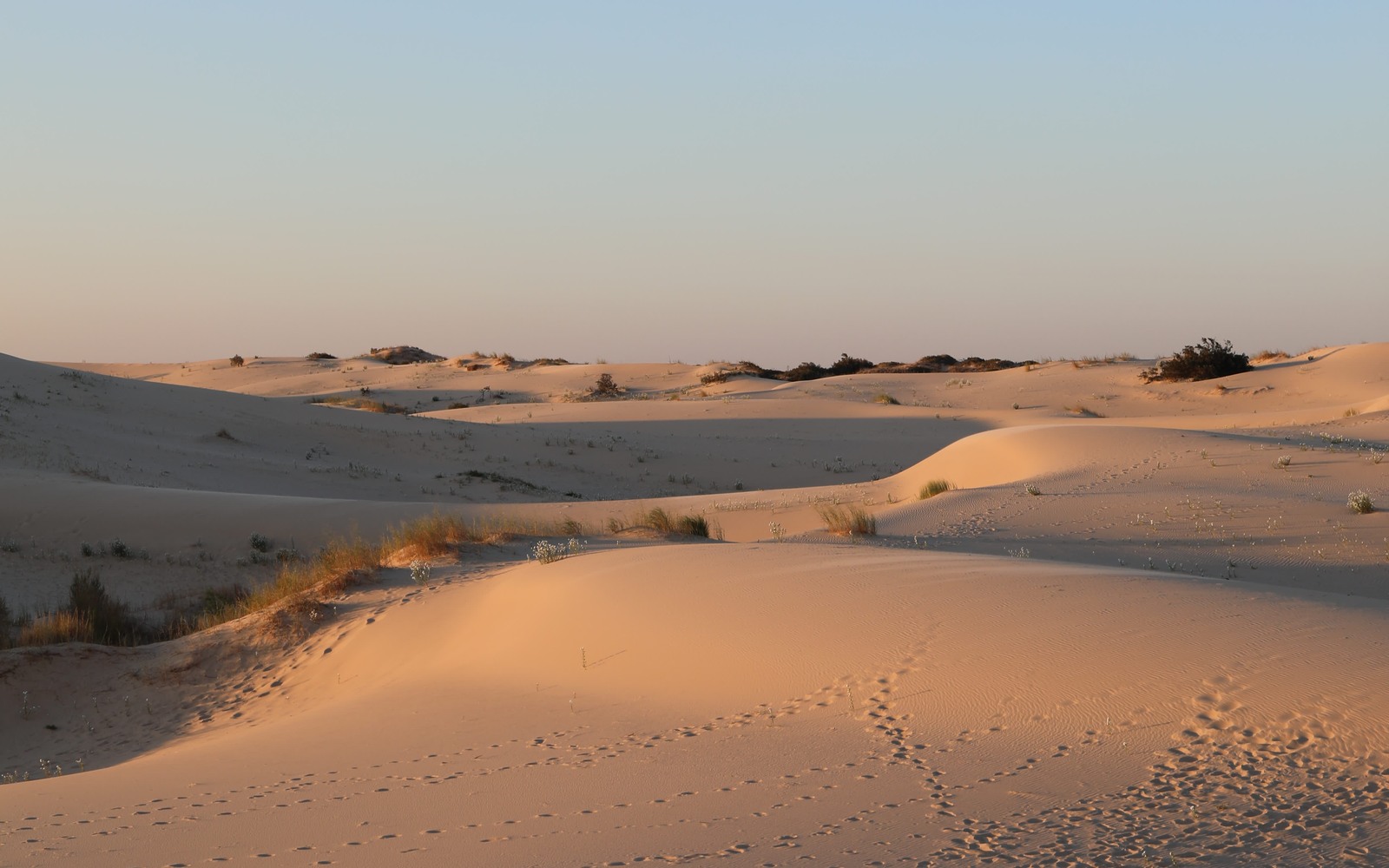
Monahans is known for the sand dunes and the state park, but that surface feature has little bearing on the oil and gas production below. We evaluate your tract based on its subsurface production and permitting history, not the landscape you'd see standing on it.
Begin with the county record trail
A royalty review in each state starts with the recording office, legal description, deed chain, reservations, lease, units, division orders, payor records, statements, and regulatory well data.
Route local legal and tax questions correctly
Probate, marital property, dormant-mineral law, pooling, recording, transfer tax, regulatory filings, and payor-notice rules can differ from state to state. Those questions belong with qualified advisers.
Read the local tract against the Permian schedule
In every state, the royalty run sheet keeps the tract separate from broad county averages. The review pairs the legal description with producing wells, product lines, paid decimals, deductions, check history, decline, nearby permits, offset completions, operator changes, title exceptions, retained depths, and the exact property schedule in the written offer. Observed payments and recorded interests stay distinct from possible future locations, marketing claims, and assumptions that still need dated support.
Is Monahans still an active area for drilling?
It depends on the specific tract. Some acreage carries legacy production going back decades, while other sections closer to the Delaware Basin edge have seen more recent horizontal activity. We check your unit specifically.
your family's Monahans lease is nearly a century old. Can you still trace it?
Yes, we regularly work through older, layered assignment histories using Ward County Clerk records to confirm current ownership.
How do you decide what your interest is worth?
We pull the production and permit history for your specific unit and price against that, rather than a general Ward County average that might not reflect your tract.
Does the Monahans Sandhills area affect drilling on your tract?
Not typically. The dunes are a surface feature and don't generally restrict subsurface mineral development. We look at your actual well and permit history to value your interest.
How do you know if your Monahans interest is a royalty or a working interest?
Check your division order or lease. A royalty interest receives payment free of drilling and operating costs, while a working interest shares in those costs. We'll confirm which applies before quoting.