
Permian owner file
Sell Mineral Rights in Stanton, TX
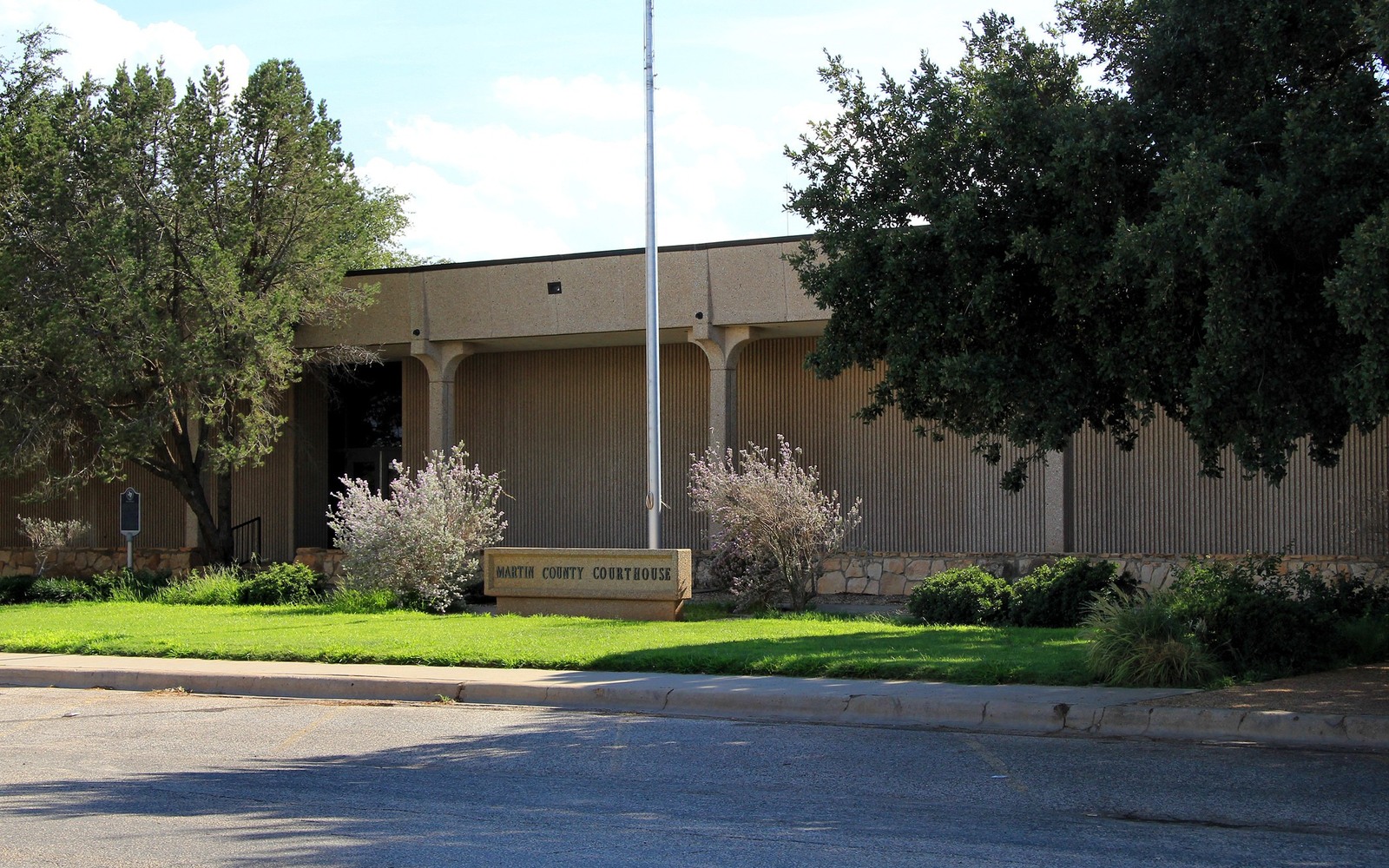
Stanton is the Martin County seat, and Martin County has been drilled harder, per square mile, than almost anywhere else in the country over the past several years.
If you own minerals near Stanton, you're sitting in the dead center of the Midland Basin core. Martin County has consistently ranked among the top counties in the nation for horizontal permits, and the density of wells packed into a single section here is something most other Permian counties don't approach.
What density like this means for your check
Tight well spacing means your interest can be pooled into multiple stacked units targeting different Wolfcamp and Spraberry benches simultaneously, sometimes with several operators drilling adjacent pads within the same year. That level of activity is exactly why Martin County interests tend to draw strong buyer interest, but it also means the details of which units you're actually in matter enormously.
Fast-changing operator activity
Because development here moves quickly, it's worth checking whether your division order and payer information are current before assuming your last statement reflects everything happening on your acreage. New units get added regularly in a county this active.
Stanton itself and the farmland around it
Stanton has stayed a small town even as the county around it became one of the most drilled in the country, and a lot of the surface here is still working cotton and ranch land. Families who've farmed this ground for generations often hold the minerals underneath as well, and those interests have generally appreciated substantially as horizontal development moved through.
If you haven't had your Martin County interest looked at recently, given how fast the surrounding activity has moved, it's worth getting a current read rather than relying on an old assumption of value.
Begin with the county record trail
A royalty review in each state starts with the recording office, legal description, deed chain, reservations, lease, units, division orders, payor records, statements, and regulatory well data.
Route local legal and tax questions correctly
Probate, marital property, dormant-mineral law, pooling, recording, transfer tax, regulatory filings, and payor-notice rules can differ from state to state. Those questions belong with qualified advisers.
Read the local tract against the Permian schedule
In every state, the royalty run sheet keeps the tract separate from broad county averages. The review pairs the legal description with producing wells, product lines, paid decimals, deductions, check history, decline, nearby permits, offset completions, operator changes, title exceptions, retained depths, and the exact property schedule in the written offer. Observed payments and recorded interests stay distinct from possible future locations, marketing claims, and assumptions that still need dated support.
Why is Martin County drilling so much denser than other Permian counties?
It sits at the core of the Midland Basin's Wolfcamp and Spraberry play, and operators have found the rock here supports very tight well spacing across multiple stacked benches, driving intense development.
Should you expect more royalty checks from new units in the future?
Possibly. Given the pace of development in Martin County, it's common for owners here to see new units added periodically. We check current permitting near your tract as part of any valuation.
How fast can an offer come together for a Stanton-area interest?
Often within days once we've reviewed your documentation, though given the density of activity here we take extra care confirming exactly which units your interest touches before finalizing a number.