
Permian owner file
Sell Mineral Rights in Wink, TX
Wink is a small town with an outsized place in Permian history, sitting inside the footprint of the Hendrick Field, discovered in 1926 and still producing today under decades of secondary recovery.
The town's population has shrunk a lot since its early-20th-century boom years, but the oilfield around it never really stopped. Hendrick Field has moved through primary production into waterflood and other enhanced recovery methods over the decades, and a lot of Wink-area mineral ownership has stayed within the same families that whole time.
Nearly a century of continuous production
Few places in the Permian can claim as long a continuous production history as the acreage around Wink. Leases here have typically been held by production through generations of ownership, and the checks reflect mature secondary-recovery output — smaller than a new horizontal well's initial rate, but steady.
A note on the local sinkholes
Wink is known locally for two sinkholes tied to deteriorated old wellbore casings interacting with underlying salt formations. It's a real, studied geological feature specific to those old well sites, not a condition affecting mineral title or value elsewhere in town or the surrounding area.
A town smaller than its history suggests
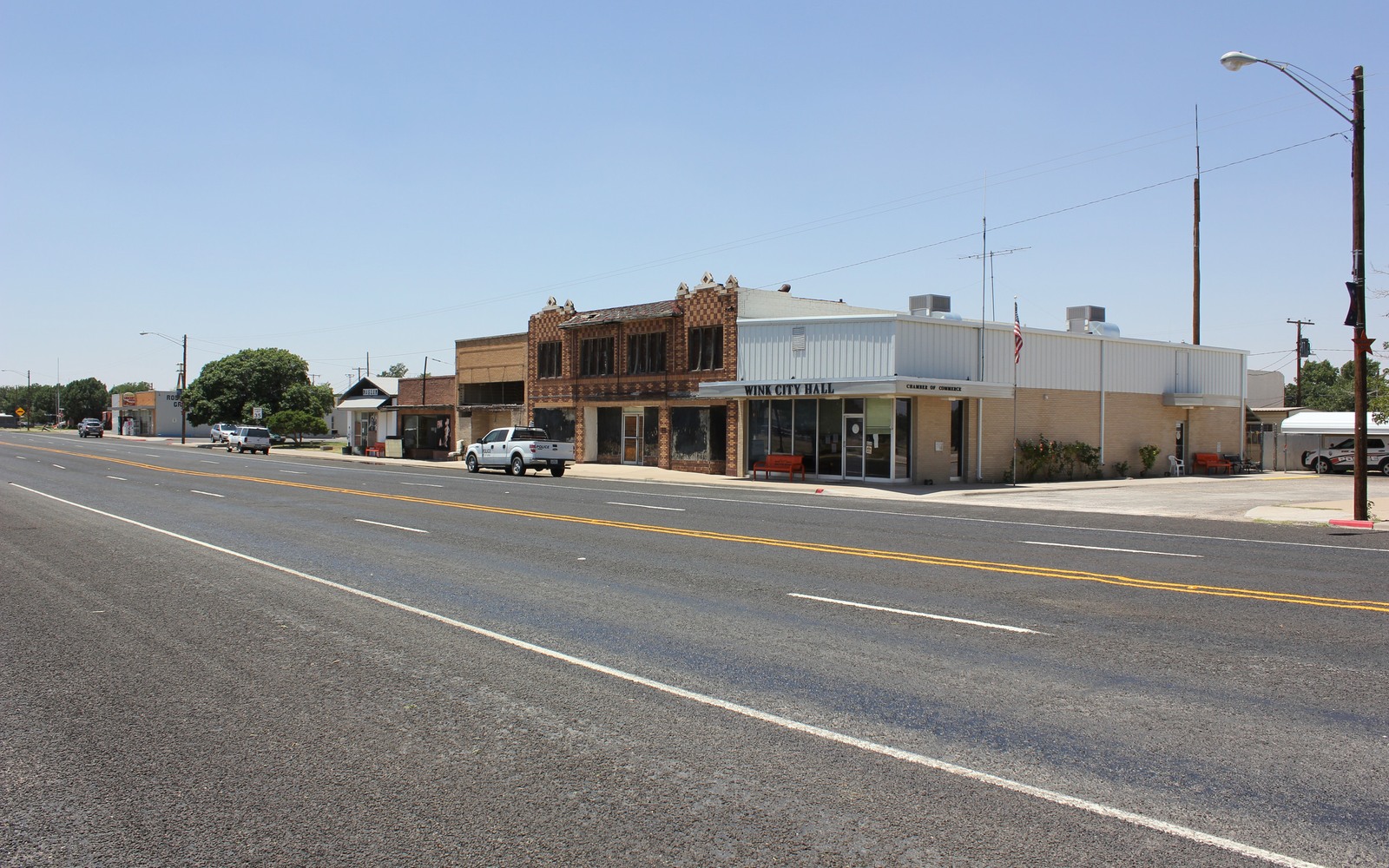
Wink's population has shrunk considerably from its boom-era peak, and the town itself is far quieter today than the depth of its oil history might suggest. That's typical of a lot of the Permian's earliest producing towns, where the field outlasted the population growth that came with discovering it.
For mineral owners, the town's current size has no bearing on the underlying interest's value — what matters is the well history, the current operator, and whether any redevelopment interest has picked up on the surrounding acreage.
Begin with the county record trail
A royalty review in each state starts with the recording office, legal description, deed chain, reservations, lease, units, division orders, payor records, statements, and regulatory well data.
Route local legal and tax questions correctly
Probate, marital property, dormant-mineral law, pooling, recording, transfer tax, regulatory filings, and payor-notice rules can differ from state to state. Those questions belong with qualified advisers.
Read the local tract against the Permian schedule
In every state, the royalty run sheet keeps the tract separate from broad county averages. The review pairs the legal description with producing wells, product lines, paid decimals, deductions, check history, decline, nearby permits, offset completions, operator changes, title exceptions, retained depths, and the exact property schedule in the written offer. Observed payments and recorded interests stay distinct from possible future locations, marketing claims, and assumptions that still need dated support.
Is your Wink-area interest tied to the historic Hendrick Field?
Likely, given how much of the acreage around town falls within that footprint. We confirm your specific tract's production history before valuing it.
Do the sinkholes near Wink affect the value of nearby mineral interests?
No, they're localized to specific old wellbore sites and don't affect title or value on other tracts in the area.
your checks from a Wink-area well have been modest for years. Is it still worth selling?
Often, yes. We look at the full production history, including nearly a century of continuous output in some cases, rather than the current check size alone.