
Permian owner file
Sell Mineral Rights in Iraan, TX
Iraan literally exists because of an oil discovery, Ira and Ann Yates' names are baked into both the town and the giant shallow field found on their ranch in 1926.
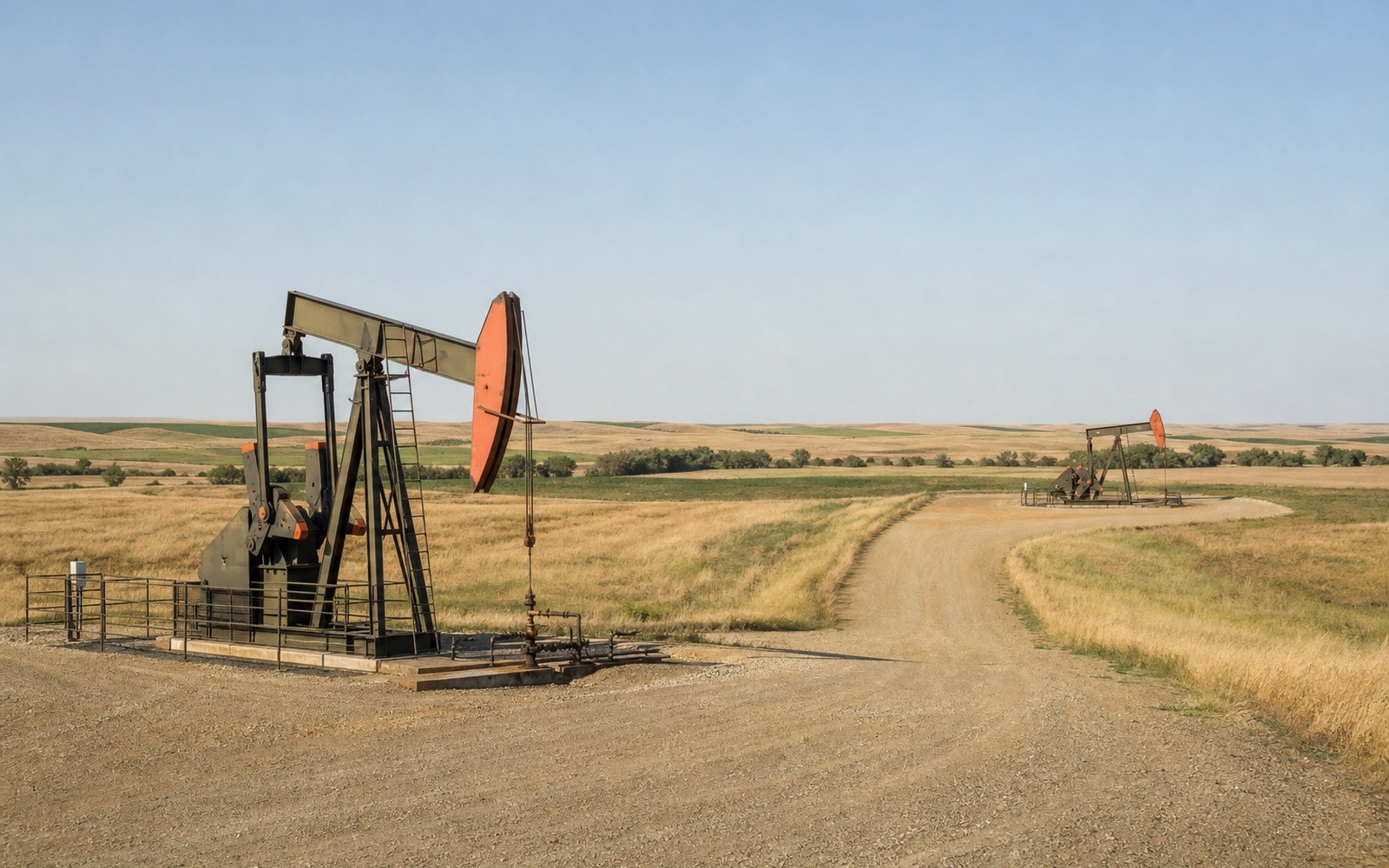
The Yates Field is one of the legendary Permian discoveries, a massive shallow San Andres accumulation that's been producing for a century through primary depletion, waterflood, and CO2 flooding phases. If your family's minerals are around Iraan, there's a real chance they trace directly back to that original discovery.
A field that keeps reinventing itself
What makes Yates unusual is how many times it's been redeveloped using different recovery methods as the technology improved, each phase extending the field's life well past what anyone expected a century ago. That long, layered history means title on some Iraan-area tracts has passed through multiple operators and multiple family generations.
Newer activity to the west
Beyond the legacy Yates production, Pecos County has also seen newer Wolfcamp and Bone Spring horizontal activity farther west toward the edge of the Delaware Basin. If your tract sits closer to that newer development rather than the old field itself, we price it against that activity instead.
Waterflood and CO2 flood units
A lot of Yates Field acreage has been organized into unitized waterflood or CO2 flood projects rather than staying on individual leases, which affects how royalty is calculated and paid out across the unit. If your interest sits inside one of those units, we account for that structure directly rather than treating it like a standalone lease.
Begin with the county record trail
A royalty review in each state starts with the recording office, legal description, deed chain, reservations, lease, units, division orders, payor records, statements, and regulatory well data.
Route local legal and tax questions correctly
Probate, marital property, dormant-mineral law, pooling, recording, transfer tax, regulatory filings, and payor-notice rules can differ from state to state. Those questions belong with qualified advisers.
Read the local tract against the Permian schedule
In every state, the royalty run sheet keeps the tract separate from broad county averages. The review pairs the legal description with producing wells, product lines, paid decimals, deductions, check history, decline, nearby permits, offset completions, operator changes, title exceptions, retained depths, and the exact property schedule in the written offer. Observed payments and recorded interests stay distinct from possible future locations, marketing claims, and assumptions that still need dated support.
Are your Iraan-area minerals tied to the original Yates Field?
Possibly, depending on exactly where your tract sits. We check your legal description against the field's production history to confirm before quoting.
Is a hundred-year-old field still worth selling minerals in?
Often, yes. Long-lived fields like Yates have well-documented decline curves and redevelopment history, which gives us solid ground to price against, even on legacy interests.
What if your tract is newer horizontal acreage, not the old field?
We price that against current Wolfcamp and Bone Spring development in Pecos County instead of the legacy Yates production, since the two have very different profiles.
your interest is inside a waterflood or CO2 flood unit. Does that change the sale?
It changes how royalty is calculated across the unit rather than off a single well, but it doesn't prevent a sale. We'll pull the unit agreement and account for it directly in the offer.