Permian owner file
Sell Mineral Rights in Lovington, NM
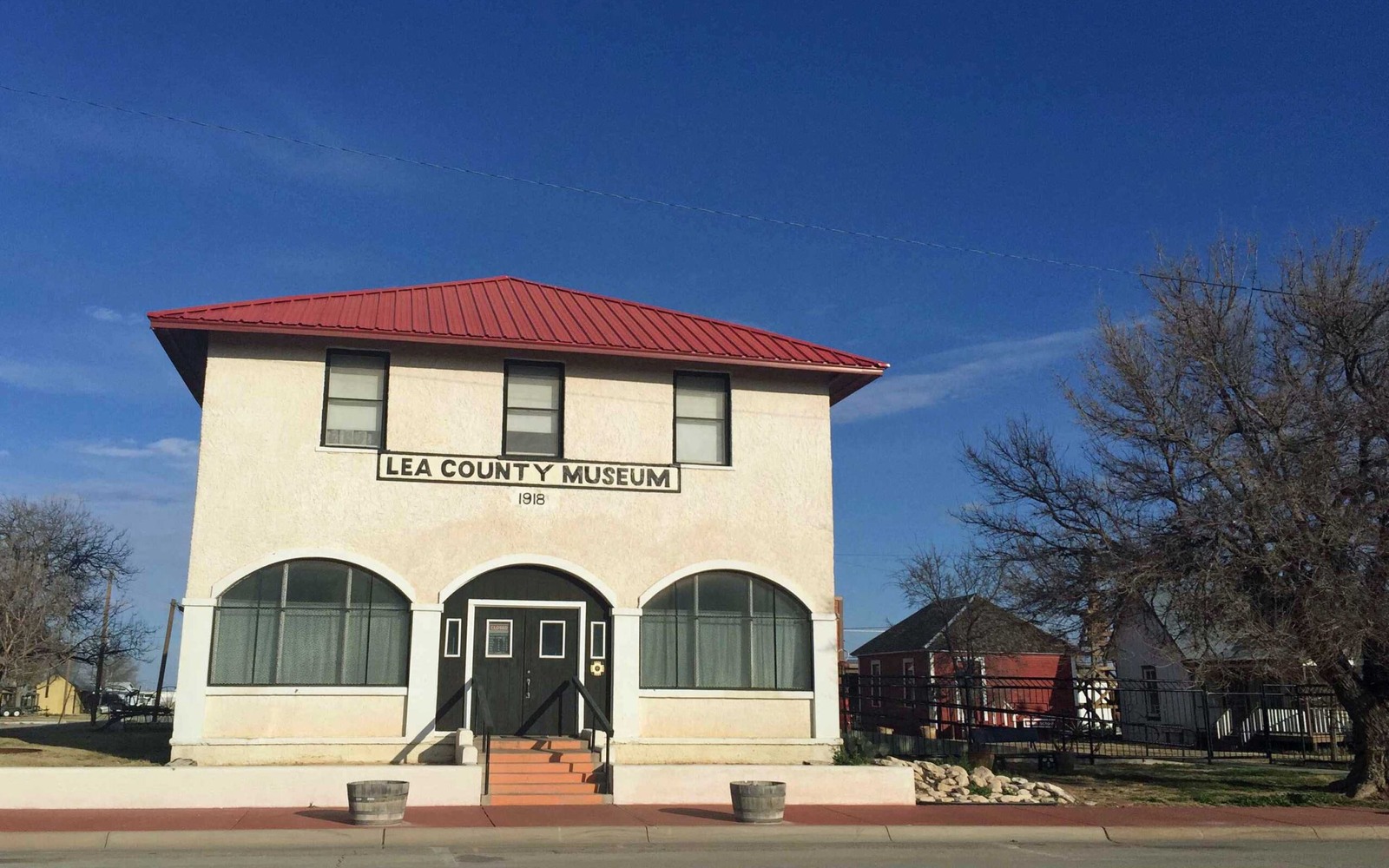
As the Lea County seat, Lovington is where a lot of the paperwork on your mineral interest actually lives, whether the wells themselves sit near town or out toward the state line.
Lovington sits on the Northwest Shelf side of Lea County, which means the production nearby is more likely to be shallower San Andres and Yeso than the deep Delaware Basin horizontal wells you see closer to Jal and the Texas border.
Shelf production, steady but different
Shelf-side wells around Lovington tend to be older, on waterflood in a lot of units, and produce at a steadier, lower rate than the newer horizontal wells to the west. That's not a downside for an owner looking for a longer-lived royalty stream, but it does mean a different offer math than a fresh horizontal completion.
Courthouse records start here
Because Lovington is the county seat, most of the deed and probate records we need to confirm your title run through the Lea County Clerk's office here, regardless of where your actual acreage sits. That makes title work on Lovington-area tracts generally straightforward for us.
What waterflood units mean for your check
Many of the San Andres and Yeso units around Lovington have been unitized for waterflood operation, which pools production and costs across multiple leases rather than paying you off a single well. That structure can actually make your royalty more predictable over time, and we factor it directly into how we value your interest.
Begin with the county record trail
A royalty review in each state starts with the recording office, legal description, deed chain, reservations, lease, units, division orders, payor records, statements, and regulatory well data.
Route local legal and tax questions correctly
Probate, marital property, dormant-mineral law, pooling, recording, transfer tax, regulatory filings, and payor-notice rules can differ from state to state. Those questions belong with qualified advisers.
Read the local tract against the Permian schedule
In every state, the royalty run sheet keeps the tract separate from broad county averages. The review pairs the legal description with producing wells, product lines, paid decimals, deductions, check history, decline, nearby permits, offset completions, operator changes, title exceptions, retained depths, and the exact property schedule in the written offer. Observed payments and recorded interests stay distinct from possible future locations, marketing claims, and assumptions that still need dated support.
Is your Lovington-area interest tied to old wells or new drilling?
Most acreage right around Lovington is on the Northwest Shelf side, meaning older San Andres and Yeso production. We check your specific unit before quoting, since some acreage further west does see newer horizontal activity.
Do shelf-side interests sell for less than Delaware Basin acreage?
Not necessarily less, just differently. Shelf production tends to be steadier and longer-lived, while basin-side horizontal wells often start higher and decline faster. We price against your actual production curve either way.
Where do you pull title records for Lovington-area tracts?
Through the Lea County Clerk's office, since Lovington is the county seat and holds the recorded deeds and probate filings for most tracts in the county.
your royalty comes from a unitized waterflood well. Does that make it harder to sell?
No, it just means we account for the unit agreement's cost and production allocation when we build the offer, rather than treating it like a single standalone well.