
Permian owner file
Sell Mineral Rights in McCamey, TX
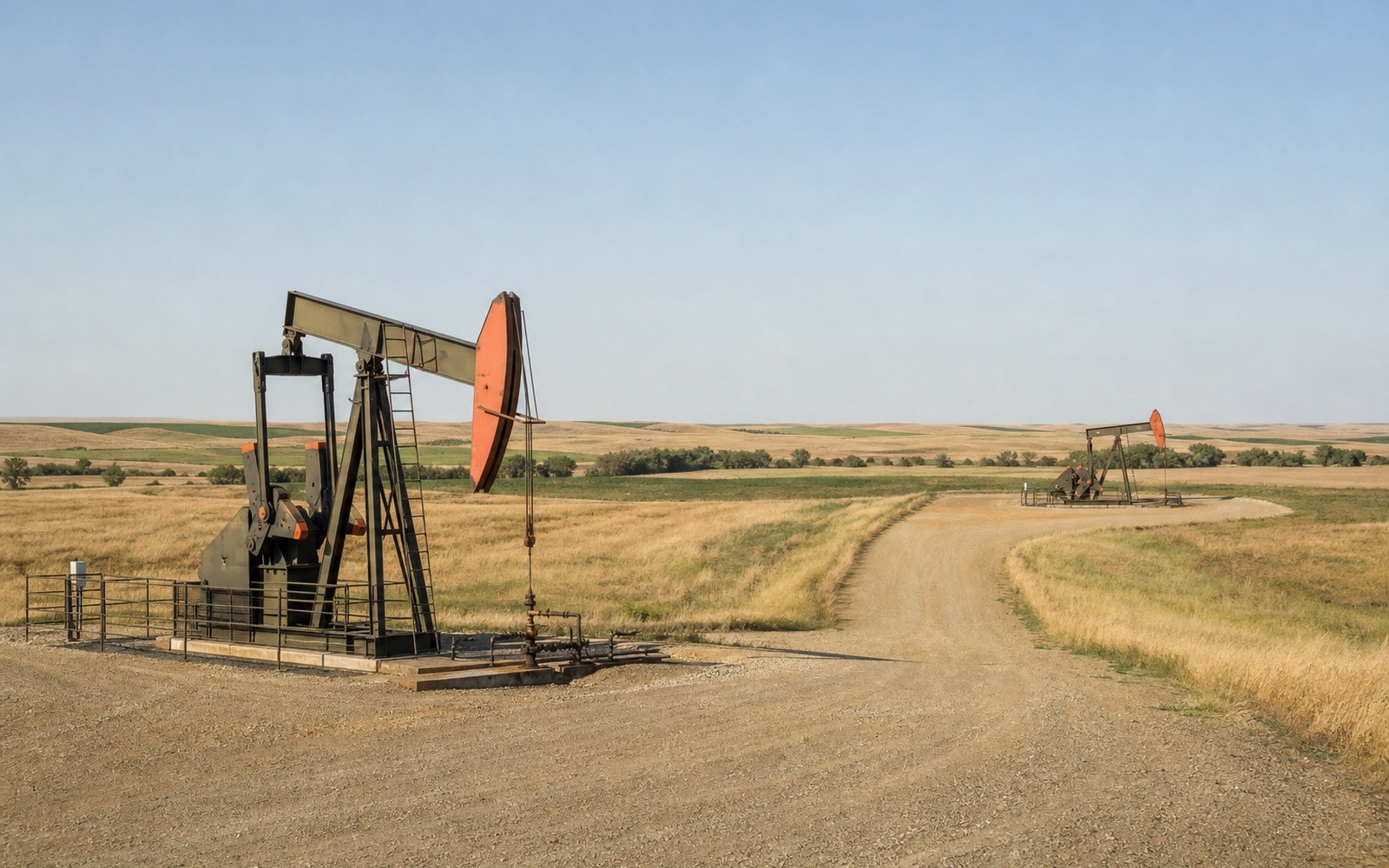
Long before McCamey called itself the wind energy capital of Texas, it was an oil boomtown, and that original industry never really left.
McCamey grew fast in the 1920s off a string of early Permian discoveries, and Upton County has kept producing in some form ever since, through shallow San Andres development and, more recently, Spraberry and Wolfcamp horizontal activity closer to the Midland Basin core.
Two industries, one skyline
It's a strange thing to see the wind turbines around McCamey today knowing the town exists because of oil, not wind. For a mineral owner, the wind farms don't affect your oil and gas interest at all, they're a separate surface lease most of the time, but they're worth knowing about if your family also has surface agreements on the same land.
Older production, still worth checking
A lot of McCamey-area mineral interests are tied to older, established wells with a long production history. That's not a downside, it just means we're pricing off a well-documented decline curve rather than speculation, and we'll walk you through exactly what that curve looks like for your specific tract.
Upton County's stretch toward the basin core
The part of Upton County closer to Midland and Reagan counties has seen more recent Spraberry and Wolfcamp horizontal activity than McCamey itself typically sees. If your family holds acreage spread across more than one part of the county, it's worth having us look at all of it together rather than assuming one tract tells you what the rest is worth.
Begin with the county record trail
A royalty review in each state starts with the recording office, legal description, deed chain, reservations, lease, units, division orders, payor records, statements, and regulatory well data.
Route local legal and tax questions correctly
Probate, marital property, dormant-mineral law, pooling, recording, transfer tax, regulatory filings, and payor-notice rules can differ from state to state. Those questions belong with qualified advisers.
Read the local tract against the Permian schedule
In every state, the royalty run sheet keeps the tract separate from broad county averages. The review pairs the legal description with producing wells, product lines, paid decimals, deductions, check history, decline, nearby permits, offset completions, operator changes, title exceptions, retained depths, and the exact property schedule in the written offer. Observed payments and recorded interests stay distinct from possible future locations, marketing claims, and assumptions that still need dated support.
Do the wind farms near McCamey affect your mineral rights?
Generally no, wind development is typically a separate surface lease from your oil and gas mineral interest. If your family also holds a wind lease, that's a different agreement we can help you understand alongside your mineral sale.
Is McCamey still seeing new oil and gas drilling?
Some of Upton County closer to the Midland Basin core has seen newer Wolfcamp and Spraberry horizontal activity, while McCamey itself sits more within legacy shallow production. We check your specific tract.
How do you price an interest with a long production history?
We use the documented decline curve from your well's actual production record, which tends to make older, established interests more straightforward to value than brand-new wells without a track record.
your family owns acreage in more than one part of Upton County. Should you sell it all together?
Not necessarily, since different parts of the county can have very different production and activity levels. We'll evaluate each tract on its own and let you decide whether to sell together or separately.